May 30, 2026
Pea Island National Wildlife Refuge: A Complete Visitor Guide
Just a short drive north of Avon, North Carolina lies one of the most remarkable wildlife sanctuaries on the East Coast — Pea Island National Wildlife Refuge. This 5,834-acre refuge stretches along the northern end of Hatteras Island, where salt marsh, freshwater ponds, ocean beach, and maritime forest converge into a landscape that draws over 365 species of birds and thousands of nature lovers each year. Whether you're a serious birder with a spotting scope or a family looking for a quiet morning walk, Pea Island delivers something rare: wild, accessible, and completely free.
What is Pea Island National Wildlife Refuge?
Established in 1938, Pea Island NWR was created to protect critical habitat for migratory waterfowl along the Atlantic Flyway. Today it is managed by the U.S. Fish & Wildlife Service as part of the Outer Banks national wildlife complex. The refuge sits on a narrow barrier island between the Atlantic Ocean and the Pamlico Sound, creating a mosaic of habitats — brackish impoundments managed for waterfowl, undisturbed ocean beach for nesting shorebirds, and marsh flats that teem with life at every tide.
Unlike many nature preserves, Pea Island is wonderfully easy to experience. NC Highway 12 runs directly through it, and several paved parking areas and boardwalk trails put you face-to-face with wildlife within minutes of stepping out of your car.
How to get there from Avon NC
Pea Island is located roughly 10 miles north of Avon on Hatteras Island. The drive takes about 15–20 minutes along NC Highway 12. Head north from Avon through Buxton and Frisco, pass the Cape Hatteras Lighthouse, and continue toward Oregon Inlet. The refuge visitor center and primary trailheads sit on the east side of the highway, just south of the Herbert C. Bonner Bridge. You cannot miss it — the landscape shifts from village and dunes to wide-open marsh and open water.
If you're staying at a vacation rental like King Tide Rising, Pea Island makes an ideal half-day excursion before the beach crowds build, or a peaceful late-afternoon outing after the midday heat fades.
Wildlife you can see at Pea Island
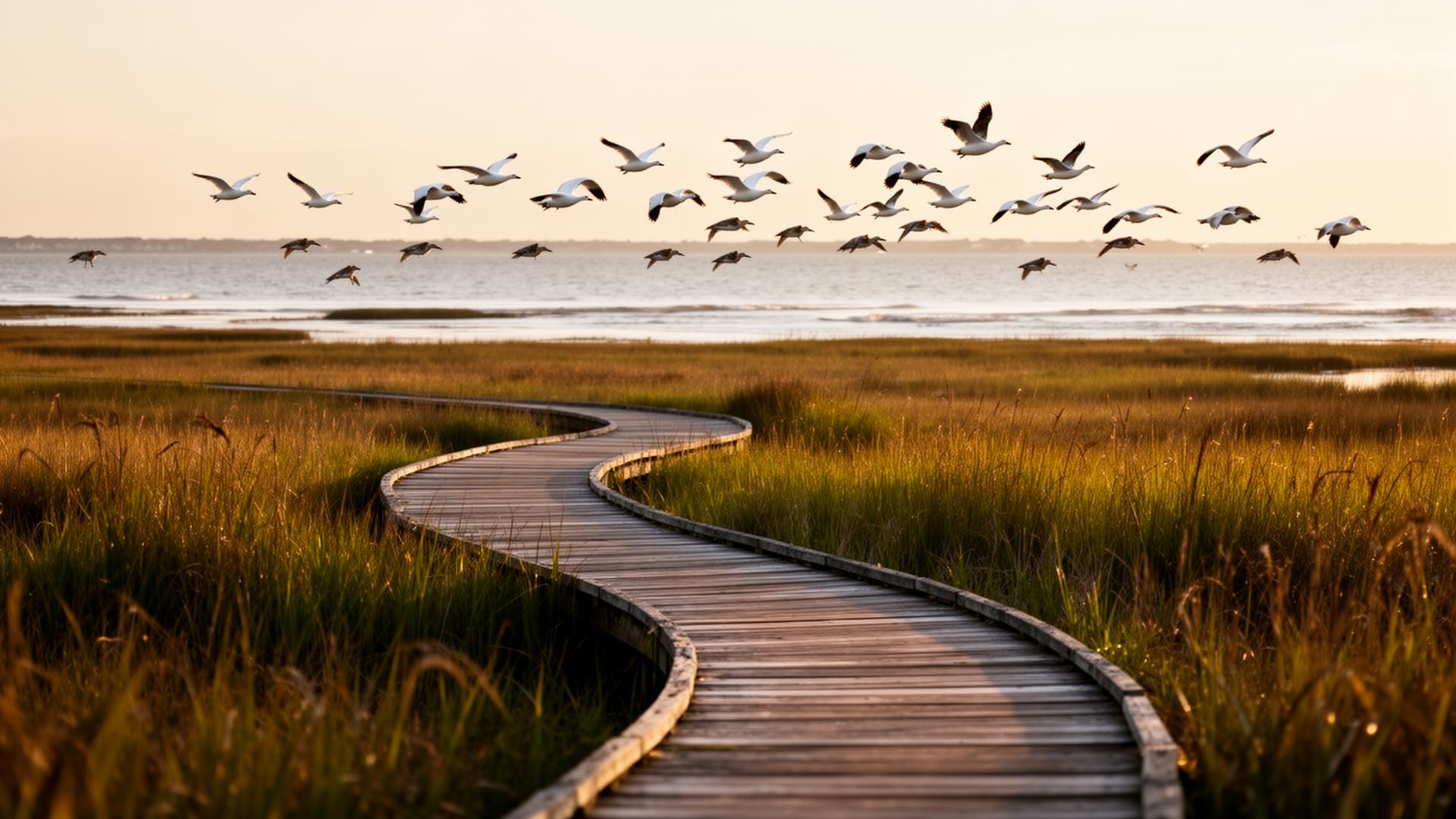
The birdlife at Pea Island is extraordinary. Winter brings the spectacle — thousands of snow geese, tundra swans, and over 25 species of ducks gather in the impoundments. Spring and fall migrations turn the refuge into a highway of movement, with warblers, shorebirds, and raptors passing through in waves. Year-round you will find great blue herons, ospreys, brown pelicans, and white ibises working the shallows.
Summer offers its own rewards. Least terns and American oystercatchers nest on the ocean beach, often cordoned off to protect them. If you're lucky, you may spot a loggerhead sea turtle crawl or the telltale tracks of a North Atlantic right whale offshore during winter migration. Mammals are more elusive but include river otters, marsh rabbits, and the occasional red fox.
Trails and observation areas
Pea Island's trails are flat, short, and designed for observation. The main attractions:
- North Pond Wildlife Trail — A 0.75-mile boardwalk and trail system that loops through freshwater impoundments. This is the most reliable spot for close-up views of ducks, swans, and wading birds. Two observation platforms offer shaded viewing with mounted scopes.
- Salt Flats Wildlife Trail — A shorter boardwalk leading into salt marsh habitat. Excellent for shorebirds, herons, and the dramatic low-tide feeding frenzies that draw birders from across the region.
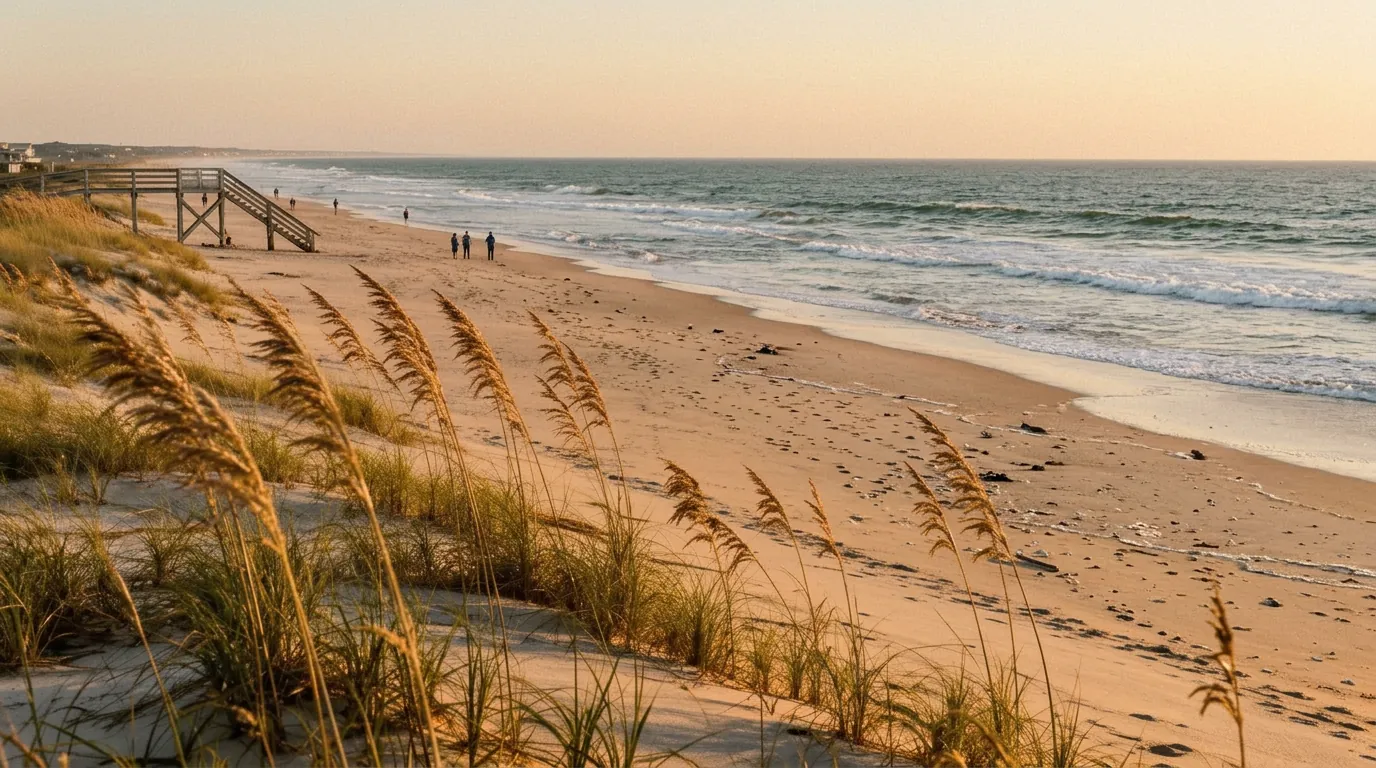
- Beach access points — Several pull-offs along NC-12 provide direct access to ocean beach within the refuge boundary. These stretches are quieter than Avon's beaches and excellent for shell collecting and sunrise walks.
Best time to visit Pea Island
There is no bad season at Pea Island — only different experiences.
- Winter (November–February): Peak waterfowl season. The ponds can hold over 10,000 snow geese at once. Cold but unforgettable — bring layers and a thermos.
- Spring (March–May): Migration season brings the greatest diversity. Warblers, shorebirds, and raptors pass through in huge numbers. Wildflowers bloom along the dunes.
- Summer (June–August): Best for sea turtle nesting activity and breeding shorebirds. Early mornings are essential — the marsh heat is intense by mid-morning.
- Fall (September–November): Another migration window with fewer mosquitoes and milder temperatures. The fall light is exceptional for photography.
Photography tips
Pea Island is a photographer's dream, especially at dawn and dusk when the light skims across the impoundments. A telephoto lens (at least 300mm) is ideal for bird portraits, but don't overlook the wide-angle potential of the marsh grasses against sky and water. The observation platforms are stable enough for tripod use, though early morning wind can be a factor.
For the best wildlife shots, plan around the tides. Low tide concentrates shorebirds on exposed mudflats. High tide pushes birds closer to the pond edges and boardwalks. Check a tide chart before you go, and arrive at least 30 minutes before sunrise for the best light and bird activity.
What to bring
- Binoculars or a spotting scope
- Camera with telephoto lens
- Sunscreen and a wide-brim hat (there is little shade)
- Insect repellent (mosquitoes and biting flies are real in summer)
- Water and snacks — there are no concessions in the refuge
- Light rain jacket (coastal weather shifts quickly)
- A field guide or birding app — eBird is the standard here
Nearby attractions to combine with your visit
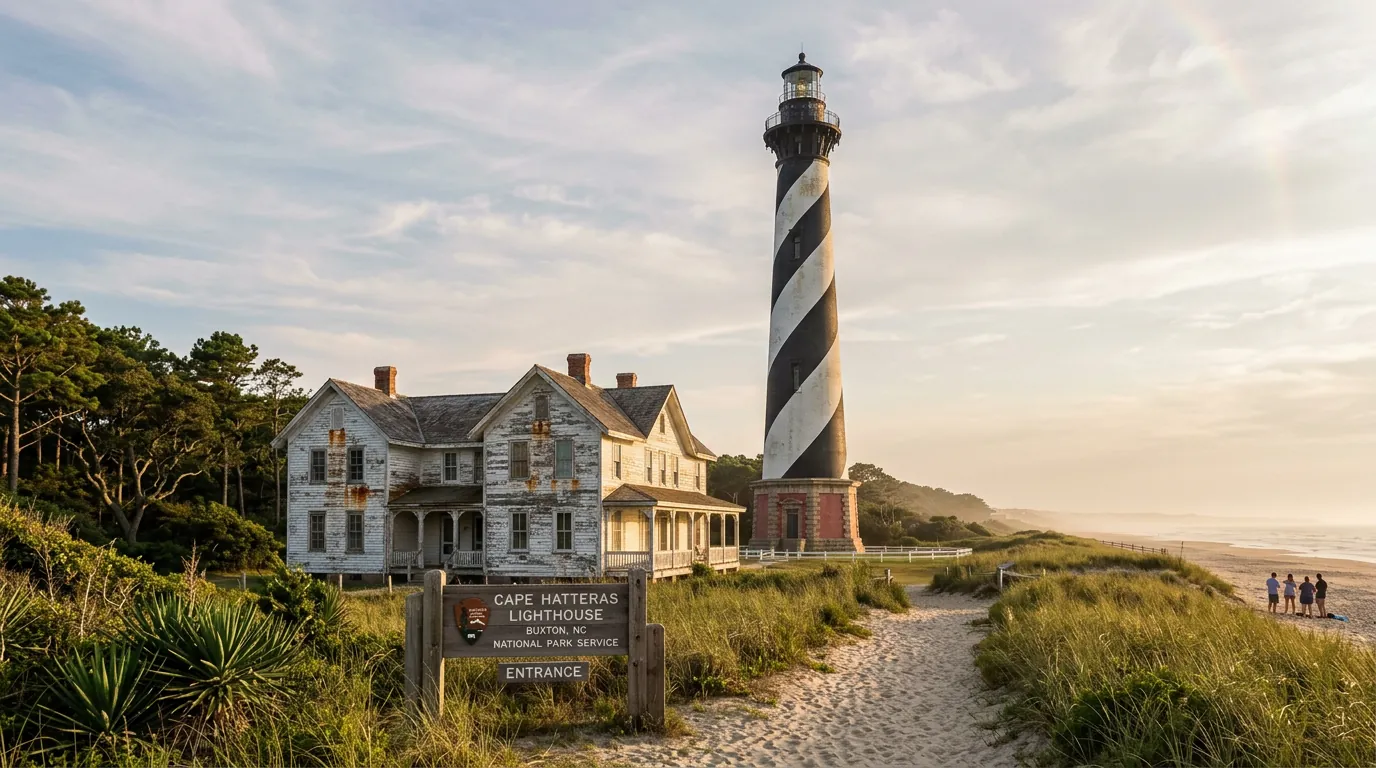
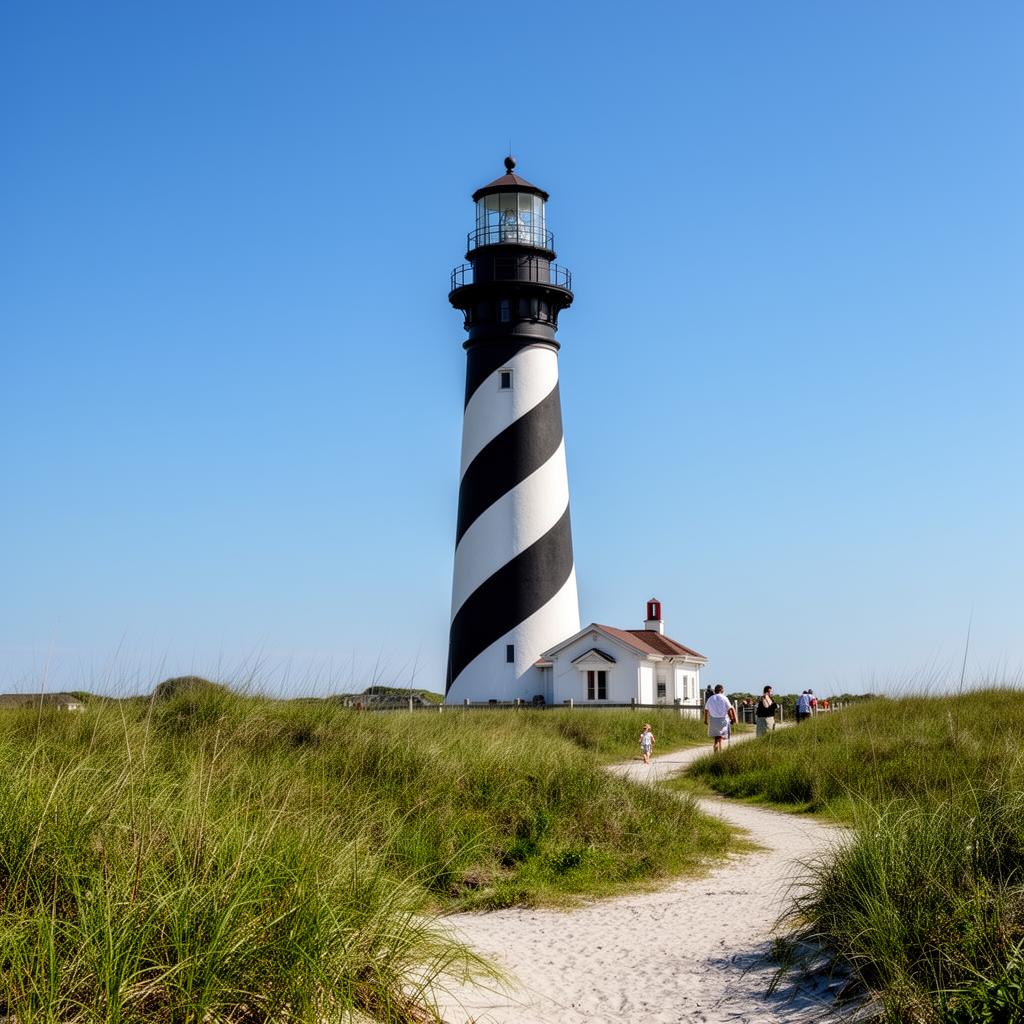
Pea Island pairs naturally with several other Hatteras Island highlights. After your morning on the refuge, head south to climb the Cape Hatteras Lighthouse in Buxton, or spend the afternoon on the best beaches near Avon. If you're planning a full day of exploring, our things to do in Avon NC guide maps out a full itinerary from sunup to sundown — including the best sunset spots to cap off the day.
Rules and etiquette
Pea Island is a protected refuge, not a park. A few simple rules keep it wild for everyone:
- Stay on designated trails and boardwalks — the marsh is fragile
- Do not approach or disturb nesting shorebirds
- No drones — they disturb wildlife and are prohibited
- Pets must be leashed and are not allowed on some beach nesting areas during season
- Leave shells and natural objects where you find them